
Science

A Keystone of Carbon Could be Our 21st-century Auto Pact
Canada desperately needs to matter more in the United States. After a run-up in the decade after NAFTA, our share of U.S. imports has fallen from roughly 16 per cent to 12 per cent since the Great Recession, leaving us behind both China and Mexico. Auto production, which for decades held fast well above the level guaranteed in the 1965 Auto Pact, was part of the descent.
A Pivotal Moment: CSIS steps out of the shadows to protect Canada’s biopharmaceutical and healthcare sectors during the COVID-19 pandemic
In Spring 2020, threat actors wearing lab coats instead of trench coats were infiltrating our labs in hopes of stealing valuable COVID-19 vaccine research. It forced Canada’s top secret intelligence agency CSIS to step out of the shadows and warn those most at risk.

Nature-based Solutions: Some of the Answers to Climate Change Come Naturally
There is a broadly based consensus in Canada that includes governments, Indigenous peoples, environmental groups, industry and other stakeholders that nature-based solutions will play a crucial role as Canada works to meet its climate change objectives. The Energy Future Forum (EFF) believes the agreement presents a rare and unique opportunity – one that Canada must seize as part of its climate change suite of policies.
Science Disinformation in a Time of Pandemic
By drawing parallels to elections, climate change and the anti-vaccination movement, author Christopher Dornan illustrates how disinformation about COVID-19 can pose significant risks for public health, social cohesion and collective trust. Dornan identifies several useful recommendations for citizens, governments and social media platforms to consider to effectively combat disinformation and engage in evidence-based discussion about scientific findings.

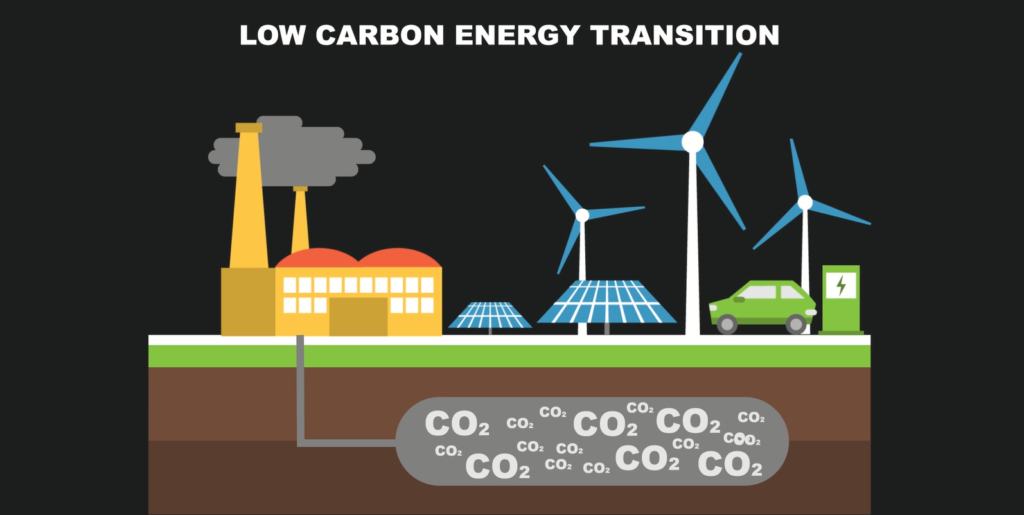
The Solution Set: Carbon Capture & Direct Air Capture
Carbon capture has a powerful allure. If there's too much CO2 in the atmosphere, why not remove the excess, and store it deep underground or use it in manufacturing other products? It sounds like a considerable solution on the way to a net zero carbon economy by 2050.
Let’s build a better Canada together. Whether you’re looking to support our mission by becoming a member, partnering with us on a project or sponsoring an event, your engagement helps drive informed, inclusive policy across the country.

Science Disinformation in a Time of Pandemic
Disinformation can stymie policy responses to public health, environmental threats and crises. COVID-19 provides a unique albeit troublesome opportunity to investigate phenomena like the erosion and corrosion of public trust through the spread of disinformation and misinformation (the former purposeful, the latter flowing from ignorance). PPF is working with partners and its members to understand the nature of the problem of science and health mis- and disinformation in Canada, map the range of current proposed solutions, and build the conceptual framework for new policy pathways to address the issues.
Past Event
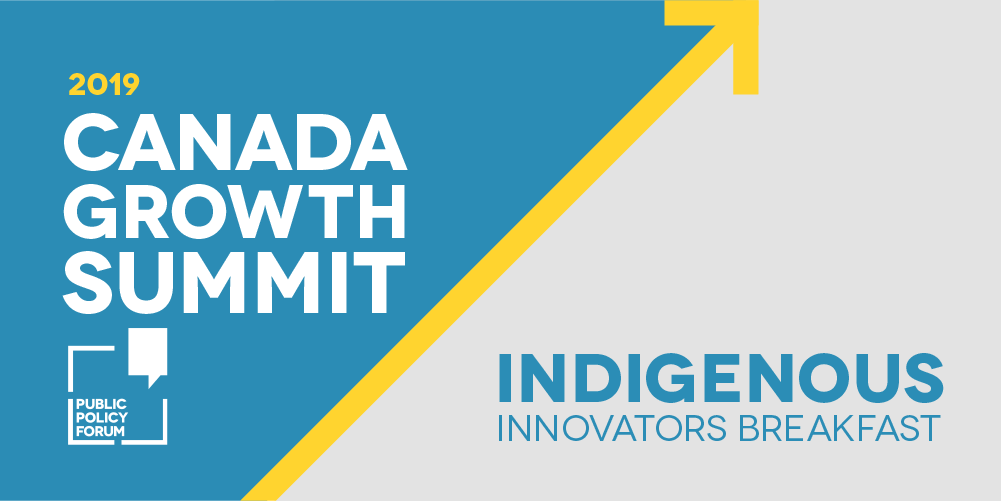
Indigenous Innovators Breakfast
PPF highlighted Indigenous innovation at a breakfast event on the morning of Thursday April 11, 2019 prior to the Canada Growth Summit.

Work in Progress – Task Force 2 Final Report
How do we prepare Canada’s workforce to lead in the global clean energy sector?
Your Energy Future
After 10 months of consultations and conversations, the three YEF Task Forces presented their final reports on March 9, 2018.
Canadian science abroad: A case for coordinated international science engagement
The Public Policy Forum brought together senior thought leaders representing 19 federal departments, agencies and national associations in November 2015 to discuss opportunities for enhancing the coordination of Canada’s international science engagement. The group traversed many topics and themes, addressing not only coordination of science, but the role and value of science, scientific infrastructure, science diplomacy, Canadian identity through and beyond science, global challenges and wicked problems, our common appetite for change, and Canada’s future scientists.